
Signs It’s Time to Seal Your Asphalt Surface
Noticing cracks, fading color, or water pooling are signs it’s time to seal your asphalt surface, and local contractors can help protect and extend its lifespan.
If your asphalt surface is showing signs of wear, it might be time to consider sealing. Property owners in the area often notice issues like fading color, small cracks, or surface deterioration that can lead to more significant damage if left unaddressed. Recognizing these early indicators can help preserve the integrity and appearance of the pavement, preventing costly repairs down the line. Local contractors who specialize in asphalt surface sealing are equipped to assess these signs and recommend the best course of action to maintain a safe and durable surface.
Understanding when to seal an asphalt surface is essential for property owners looking to extend its lifespan. Common signs include the presence of surface cracks, fading or dullness, and the development of minor surface imperfections. Addressing these issues promptly with professional sealing services can help protect against water penetration, UV damage, and further cracking. Connecting with experienced service providers in the area can ensure that these signs are properly evaluated and that the right sealing solutions are applied to keep the asphalt in top condition.
- Asphalt driveway repairs - when cracks and surface deterioration become noticeable, local contractors often recommend sealing to protect the asphalt and prevent further damage. Parking lot surfaces - signs such as fading or surface erosion indicate it’s time for sealing to maintain durability and appearance, with local pros providing expert application. Residential pathways - if the surface shows signs of oxidation or small cracks, local service providers can help seal the asphalt to extend its lifespan. Commercial lot surfaces - when surface wear or oil stains become prominent, local contractors can assess and apply sealing to preserve the integrity of the asphalt. Driveway aprons - visible surface cracks or loose aggregate suggest sealing is needed, and local pros can handle the process efficiently to safeguard the surface.
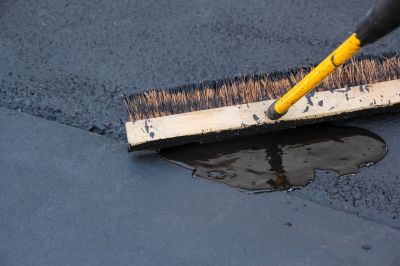
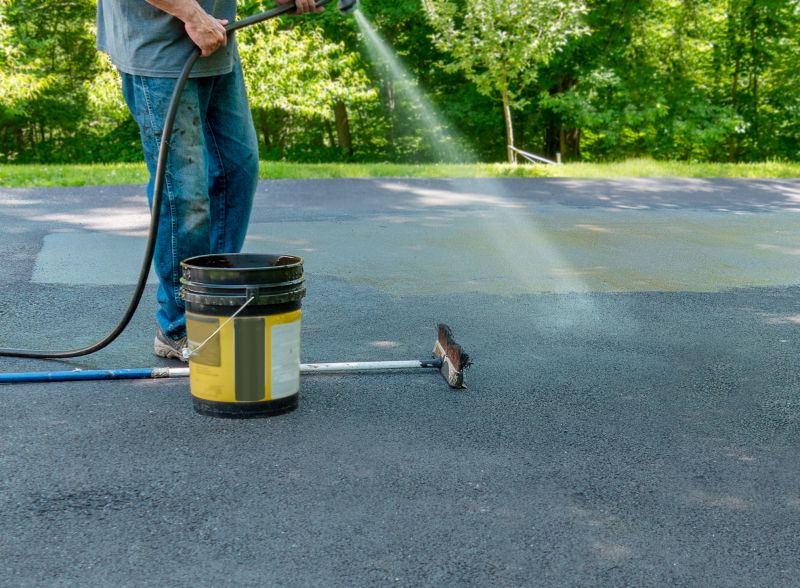
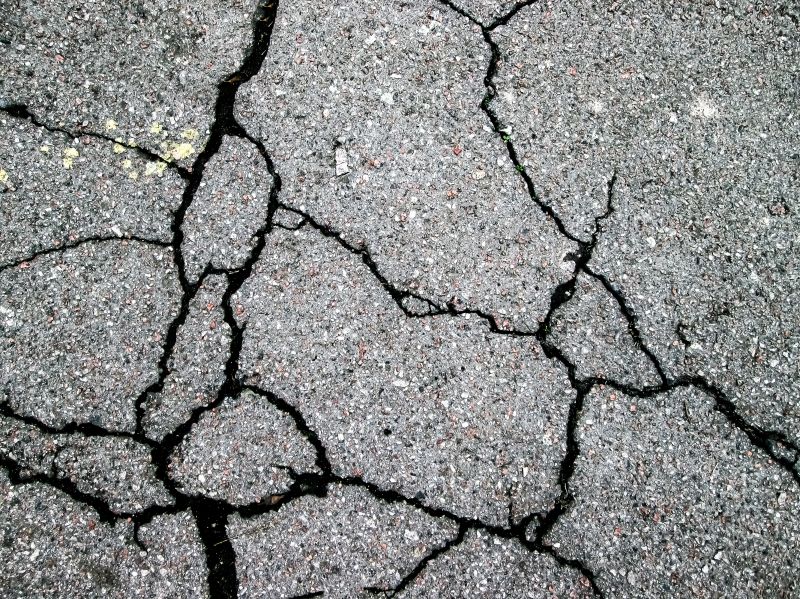
Understanding the signs it’s time to seal your asphalt surface can help property owners maintain the longevity and appearance of their paved areas. When homeowners search for this topic, they are often looking for practical indicators that their asphalt needs attention before more serious damage occurs. Common concerns include the presence of visible cracks, surface fading, or a rough texture that makes the surface less smooth and more prone to further deterioration. Recognizing these signs early can prevent costly repairs and extend the lifespan of the asphalt, making sealing a smart preventative step.
This topic is closely related to ongoing maintenance plans and the desire to protect investment in driveways, parking lots, or other paved surfaces. Asphalt that is not properly sealed can be vulnerable to water penetration, which leads to cracks, potholes, and overall surface breakdown. Property owners may also be considering sealing as part of a larger project to improve curb appeal or prepare for upcoming use, especially if the surface experiences frequent traffic or harsh weather conditions. Understanding when to seal the surface helps homeowners plan ahead and work with local contractors who specialize in asphalt sealing services.
The types of properties that frequently come up in discussions about sealing asphalt include residential driveways, commercial parking lots, and community pathways. Residential properties often seek sealing to maintain a neat appearance and prevent damage from weather or vehicle traffic. Commercial properties, on the other hand, focus on durability and safety, ensuring that their parking areas remain functional and attractive for customers and visitors. Public or shared spaces such as apartment complexes, schools, or retail centers also benefit from regular sealing to keep surfaces in good condition and minimize maintenance costs over time.
Local asphalt surface sealing service providers are equipped to assess the condition of a property’s paved surfaces and identify the signs that indicate it’s time for sealing. They understand how different signs-like surface cracks, discoloration, or surface erosion-correlate with the need for sealing. These professionals can help property owners develop a maintenance plan tailored to their specific surfaces, whether it’s a residential driveway or a large commercial lot. Connecting with experienced local contractors ensures that the asphalt receives the appropriate care at the right time, helping to preserve the surface’s integrity and appearance for years to come.
Paving repair projects involve assessing and fixing damaged surfaces, which requires similar planning and surface preparation skills as sealing asphalt to prevent further deterioration.
Driveway resurfacing involves preparing the existing surface to ensure a smooth finish, paralleling the surface preparation needed before sealing asphalt.
Parking lot maintenance projects focus on preserving large asphalt areas, often including sealing as a key step to extend the lifespan of the surface.
Crack filling services address existing damage that can lead to more serious issues, complementing sealing work to protect asphalt from water and debris.
Asphalt patching involves removing and replacing damaged sections, requiring similar tools and planning as sealing to ensure a uniform, durable surface.
Surface cleaning and preparation projects are essential before sealing asphalt, involving cleaning techniques that help ensure proper adhesion and longevity of the seal coat.
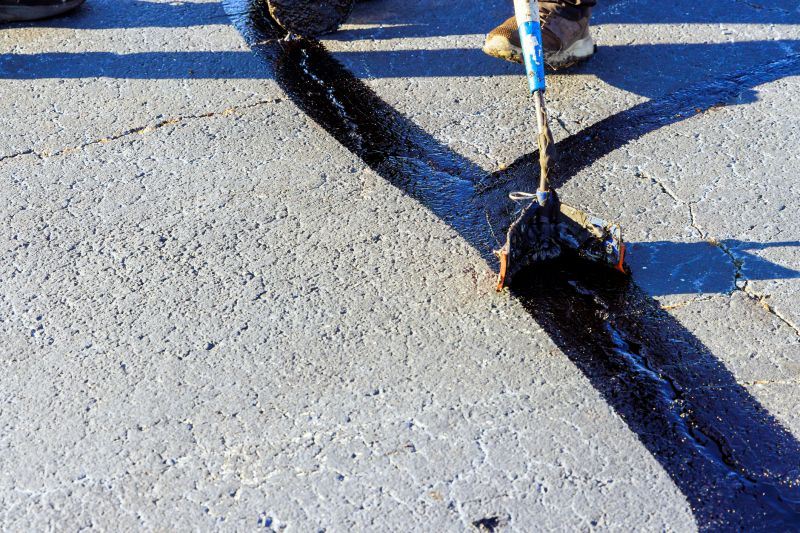
When evaluating local contractors for asphalt surface sealing, it’s important to consider their experience with similar projects. Homeowners should inquire about how long the service providers have been performing asphalt sealing and whether they have handled surfaces comparable in size and condition to their own. A contractor with a proven track record in asphalt sealing can demonstrate familiarity with common issues such as cracks, surface wear, or weather-related damage, which can influence the quality of the sealing work. This experience helps ensure that the contractor understands the specific needs of the surface and can provide effective solutions tailored to its condition.
Clear written expectations are essential when choosing a service provider for sealing an asphalt surface. Homeowners should seek detailed descriptions of the scope of work, including surface preparation, application methods, and any necessary follow-up maintenance. Having this information in writing helps prevent misunderstandings and provides a basis for evaluating whether the contractor’s approach aligns with the homeowner’s needs. Transparent communication about what the sealing process involves, along with expected outcomes, can contribute to a smoother project and help ensure that both parties share a common understanding of the work.
Reputable references and good communication are key factors when comparing local contractors. Homeowners can ask for references from previous clients who had similar sealing projects completed, providing insight into the contractor’s reliability and quality of work. Additionally, effective communication throughout the process-such as responsiveness to questions, clarity in explanations, and openness to addressing concerns-can indicate a professional service provider who values customer satisfaction. Choosing a contractor who maintains clear, ongoing communication and can provide trusted references can lead to a more confident decision and a successful asphalt sealing experience.
Property owners often search for signs it’s time to seal your asphalt surface when they are planning practical projects around their homes and businesses. Local pros provide Asphalt Surface Sealing services for everyday jobs and straightforward project options.
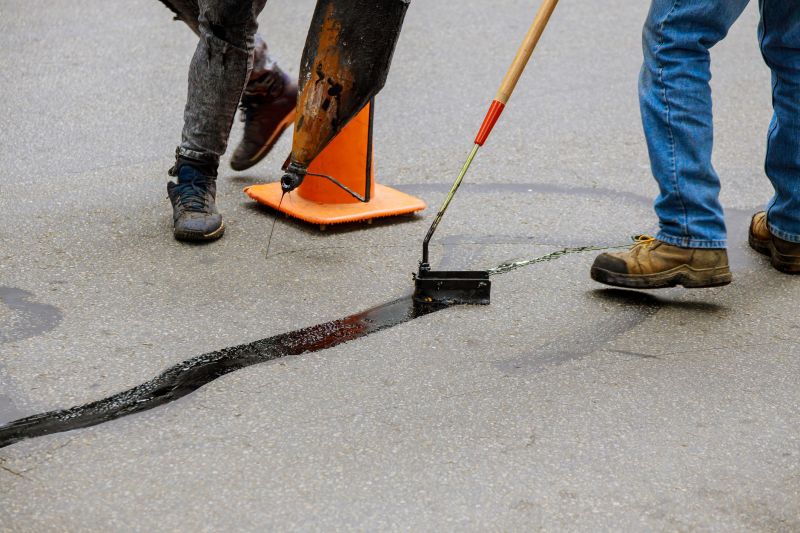
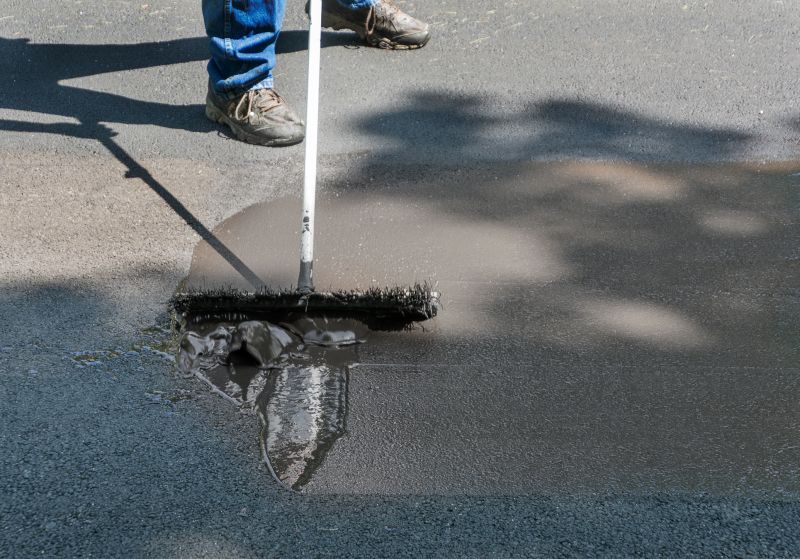
Property owners may notice cracks or surface wear developing on their asphalt driveways or parking lots, which can signal that sealing might be needed soon. Faded or dull asphalt that has lost its original color is another common indication that the surface could benefit from sealing to restore its appearance and protect it from further damage. When everyday use causes small chips or potholes to form, it’s often a sign that the asphalt’s protective layer is compromised and needs attention from local contractors who specialize in sealing services.
Additionally, if water tends to pool or seep into the asphalt after rain, it suggests that the surface’s protective coating is deteriorating. This can lead to more extensive damage over time, making sealing an important step to prevent costly repairs later. Property owners who observe these signs may consider reaching out to local service providers experienced in asphalt sealing, as timely maintenance can extend the lifespan of their surface and keep it looking its best.
What are common signs that indicate it’s time to seal an asphalt surface? Visible cracks, surface fading, and pooling water are typical signs it’s time to consider sealing your asphalt surface, as these issues can lead to further damage if left unaddressed.
How does surface fading relate to the need for sealing? Fading or loss of the asphalt’s original color often signals deterioration of the surface layer, making sealing services by local contractors beneficial to restore protection and appearance.
Why are cracks a sign to seal asphalt surfaces? Cracks allow water to penetrate the asphalt, which can cause further damage like potholes or erosion; sealing helps prevent these issues and extends the lifespan of the surface.
Can water pooling on the surface indicate it’s time to seal? Yes, pooling water suggests poor drainage and surface deterioration, which sealing services can address to improve surface integrity and prevent water-related damage.
Are there signs that surface texture has degraded and sealing is needed? A rough or uneven texture can indicate wear and surface breakdown, making sealing a helpful step to protect the asphalt and maintain a smooth surface.
Visible cracks and potholes - When cracks and potholes become noticeable, it’s a clear sign that sealing can help prevent further damage and deterioration. Local contractors can assess the surface and recommend sealing to protect the asphalt.
Fading or discoloration - If the asphalt surface appears faded or discolored, sealing can restore its appearance and add a protective layer against weathering. Service providers can apply a seal coat to refresh the surface’s look.
Pooling water or poor drainage - Standing water after rain indicates surface imperfections that sealing can help address, improving drainage and reducing the risk of damage. Local pros can evaluate drainage issues and seal accordingly.
Frequent surface wear - Heavy traffic or frequent use can lead to surface wear, signaling it’s time for sealing to extend the lifespan and maintain a smooth, durable surface. Contractors can provide sealing services to preserve the asphalt’s integrity.
If you are thinking about signs it’s time to seal your asphalt surface for a property, this guide is meant to help you understand this topic, the typical project types, and how different options might fit your plans.
When you are ready, you can use the quote form on this page to share a few details about your project. From there, local pros can review the basics and follow up with options that match what you have in mind.